




Fat transfer, also called fat grafting or lipofilling, is a surgical procedure to transfer fat from one part of the body to another via liposuction. Fat transfer can be used to shape a more masculine figure by enhancing areas of the body such as the shoulders, calves and buttocks, while adding definition to liposuction zones such as the thighs or abdomen.
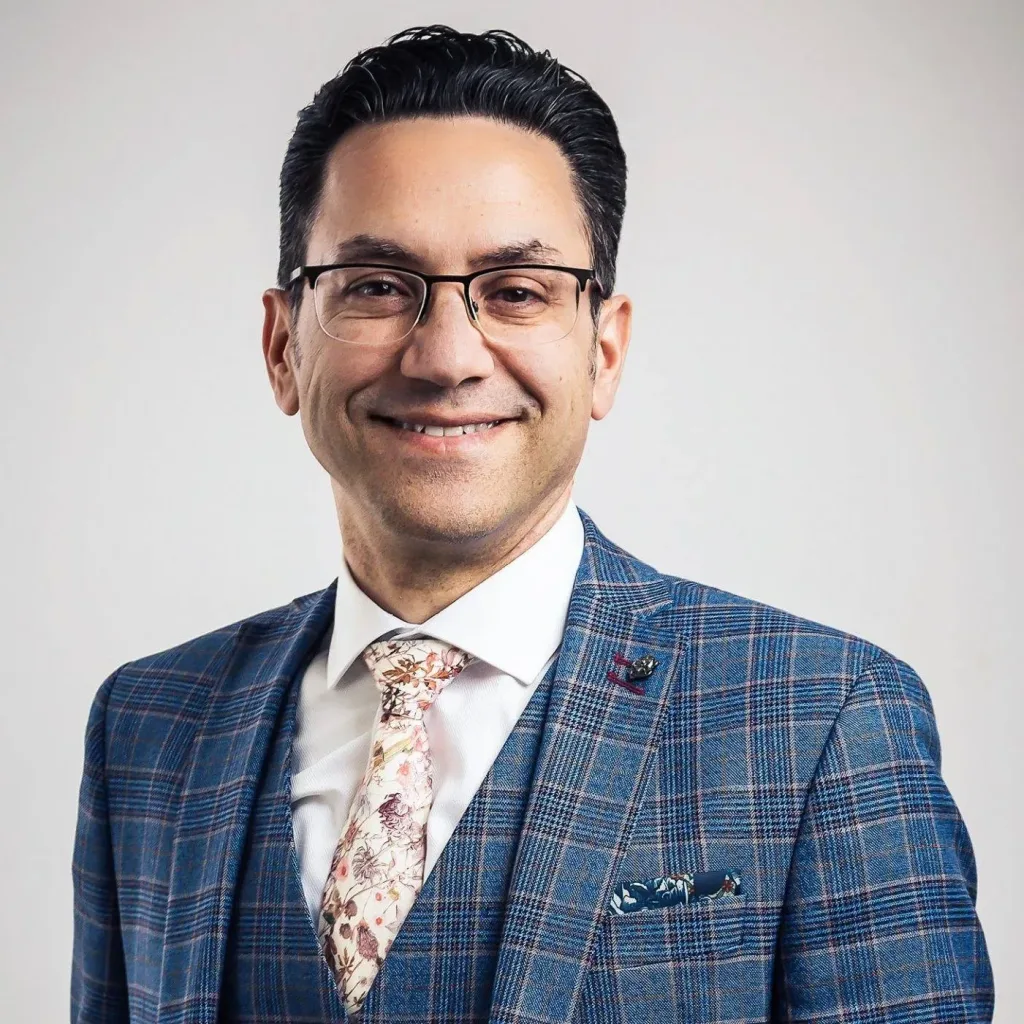
At CREO, Dr. Omar Tillo has mastered advanced techniques for fat transfer, enhancing the safety of the procedure while delivering exceptional results for his patients. We understand that every patients gender-affirming journey is different, which is why we will work with you to create a personalised fat transfer treatment to help you feel more comfortable and aligned in your body.
Our approach is centred on listening to your needs, understanding your vision, and supporting you throughout the process. From your first consultation to your recovery, our compassionate team will be here to provide guidance, reassurance, and care tailored to you.
Book a consultation with us today and find out how Dr. Tillo can support you in taking the next step in your gender-affirming journey.
Sculpting Masculinity: How Fat Transfer Affirms Your Transmasculine Identity
Achieve Masculine Definition Without Implants
Fat transfer can be used to sculpt areas of the body to achieve a more masculine appearance without the need for implants. This has several benefits, such as creating more natural-looking, subtle enhancement to the male form. In addition, the fat harvested is autologous to your own body, significantly reducing the risk of the body rejecting the implant or an infection.
Features of the Body Enhanced by Fat Transfer
Calves
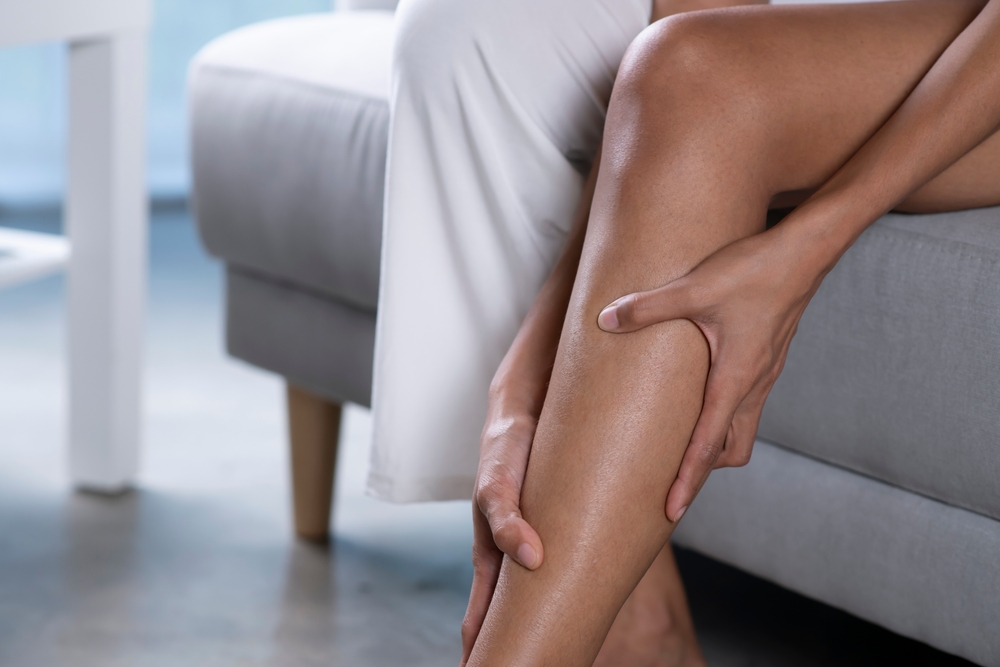
Transmasculine calf augmentation using fat transfer can be used to create a more masculine lower leg contour by enhancing calf definition and volume using the patient’s own fat. Fat is strategically injected into the calves to achieve a stronger, more balanced appearance. This technique offers natural-looking results and minimal scarring, helping transmasculine individuals align their physical appearance more closely with their gender identity.
Buttocks
A transmasculine Brazilian Butt Lift (BBL) injects fat into the buttocks to create a pronounced enhancement that aligns with the traditionally masculine physique. This can be achieved by specifically targeting the upper and lower sections of the buttocks and avoiding the hips, creating a masculine firmness and volume.
At CREO, we use an ultrasound to ensure that fat is guided into the correct position, and increases the safety of the procedure by avoiding any fat leaking into the muscle.
Shoulders
Transmasculine shoulder fat transfer enhances shoulder width and definition using the patient’s own fat. The purified fat is strategically injected into the shoulder region to create a broader, more masculine upper body shape.
Care by Clinicians Who Respect and Affirm Your Gender Identity
At CREO, we are home to a team of highly qualified clinicians who have had extensive training with Affirm to understand how we can best support transgender, non-binary and gender non-conforming patients.
Dr. Tillo has years of experience working with patients embarking on their surgical gender-affirming journey, and will work with you to create a bespoke treatment plan to achieve a more masculine figure.
Why choose us
At CREO GENDER, we provide expert gender-affirming care in a space where your safety, autonomy, and individual journey are our priorities.
Our highly specialist, multidisciplinary team, led by Medical Director Dr Omar Tillo, combines advanced surgical expertise with genuine understanding of the challenges facing the trans+ community – informed by dedicated training.
Whatever your goals, we approach every consultation with respect and humility, recognising that you are the expert in your own experience.
With 4.9 stars across major review platforms and recognition from leading surgical bodies, our outcomes reflect our commitment to excellence.
Who Should Consider Transmasculine Body Contouring with Fat Transfer?
We will assess your suitability for transmasculine body contouring using fat transfer during your initial consultation with Dr. Tillo. You will typically be a good candidate for treatment if:
- You’re a trans man or nonbinary individual over the age of 18
- You’re in good health
- You’re at or near your goal weight
What Other Surgeries Pair Well with Transmasculine Fat Transfer?
Top Surgery & Mastectomy
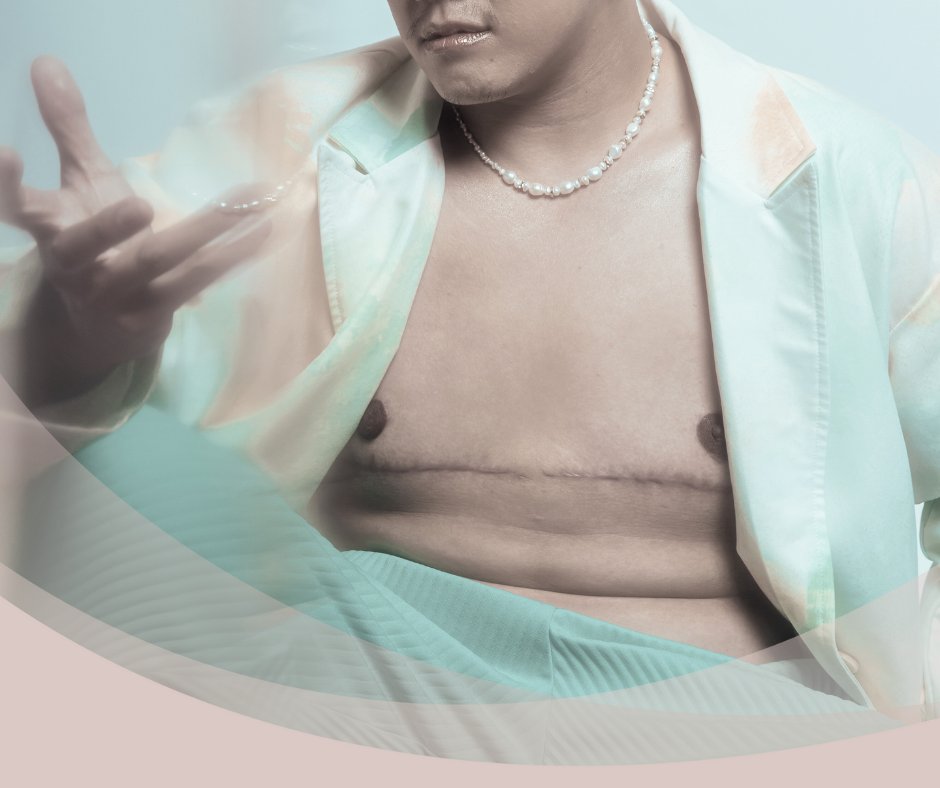
Top surgery, or chest masculinisation surgery, is a procedure to remove the glandular tissue, excess skin and fat around the chest to create a flatter, more masculine contour. When combined with fat transfer, top surgery can create a more comprehensive transformation for the figure, helping to add definition to the chest while enhancing the shape of other areas such as shoulders, calves and buttocks.
Calf Implants
Calf augmentation uses medical-grade silicone implants to add volume and enhance the shape of the calves for a more muscular and masculine lower body. Fat transfer can be used with implants for the calves to create more natural-looking results without compromising on volume enhancement.
APEX Recovery Protocol
Every procedure our surgeons perform comes with Creo Clinic’s APEX Recovery System – a unique recovery protocol built and refined on years of specialised expertise.
This three-stage system combines pre-surgical optimisation, advanced anaesthetic techniques, and a post-operative strategy designed to eliminate the need for morphine.
These treatments are thoughtfully integrated into every step of your plan, ensuring your recovery is supported, refined, and medically guided. We don’t make any compromises when it comes to care … and you shouldn’t either.
Frequently Asked Questions from Nonbinary & Trans Patients
How much does fat transfer cost in London?
Does the NHS cover gender affirming surgeries?
What areas can be enhanced with fat transfer for transmasculine patients?
How long do fat transfer results last?
What is recovery like after transmasculine fat transfer?
In general, you can expect to experience side effects such as swelling and bruising in the treatment area(s) in the initial stages of recovery. These side effects should gradually dissipate over the first two weeks, at which point you can resume light, daily activity.
However, you will need to continue to wear a compression garment to manage swelling until you fully recover, which usually takes up to 4-6 weeks.